Introduction
When it comes to roofing choices, metal roof typically stands out as a champion of durability and durability. Lots of property owners go with it due to its resistance to weather extremes, light-weight nature, and aesthetic appeal. Nevertheless, there's a misunderstanding that when you set up metal roofing, your work is done. The truth? Similar to any other part of your home, metal roofs need routine upkeep to ensure they continue carrying out at their finest. This article dives deep into why routine upkeep is crucial even with long lasting metal roofing!
Why Regular Maintenance is Key Even with Resilient Metal Roofing!
Understanding Metal Roofing
What is Metal Roofing?
Metal roof describes roof made from different metals such as steel, aluminum, copper, or zinc. These roofing systems can be found in numerous designs and colors and can be installed on both property and business buildings.
Advantages of Metal Roofing
Durability: Metal roofing systems can last 40-70 years depending upon the material. Energy Performance: Shows solar rays, minimizing cooling costs. Fire Resistance: Non-combustible materials provide peace of mind. Eco-Friendly: Often made from recycled materials and recyclable at the end of their lifespan.Common Mistaken beliefs About Metal Roofing
"Metal Roofing Systems Do Not Required Maintenance"
While metal roofing systems are durable and low-maintenance compared to standard shingles, overlooking them can result in major concerns over time.
"I Can Install It and Forget It"
Even the very best installations take advantage of routine checks; neglecting this may result in costly repairs or roofing replacement down the line.
The Importance of Regular Maintenance
Extending Lifespan: How Does It Work?
Regular maintenance helps determine prospective issues early on-- like rust spots or loose joints-- before they intensify into major repairs.
Cost-Effectiveness: Conserving Cash Over Time
Investing in small repairs now can save thousands later; an ounce of prevention truly deserves a pound of cure!
Key Areas for Routine Maintenance
Inspecting for Rust: What Should You Look For?
Rust can jeopardize the stability of your roofing. Check areas where water may pool or where protective finishes have actually used away.
Checking Seams and Fasteners
Over time, seams can loosen up, leading to leakages. Guarantee that screws are tight and seals are intact.
Cleaning Gutters
Ensure gutters are clear from particles so rainwater has a proper exit route-- this prevents water pooling on your roof.
Professional Examinations vs DIY Checks
When Needs to You Call Roof Contractors?
While homeowners can manage small inspections, expert assessments every couple of years make sure detailed coverage.
Benefits of Employing Professionals
- Expertise: Experienced professionals spot concerns you might miss. Safety: They have the ideal devices for safe inspections. Warranties: Lots of specialists offer service warranties that secure you after repairs.
How Often Should You Keep Your Roof?
Seasonal Evaluations: Why They Matter
Conduct assessments a minimum of two times a year-- preferably in spring and fall-- to capture any seasonal damage early on.
After Severe Weather condition Events
Following storms or heavy winds, check your roofing to guarantee no damage happened throughout extreme conditions.
The Function of Weather in Roofing System Maintenance
Impact of Temperature Changes
Rapid temperature level fluctuations can trigger metals to broaden and contract; routine checks help handle these stress factors effectively.
Rain and Snow Accumulation
Heavy snow loads or extended rain direct exposure can cause wetness issues if not dealt with without delay.
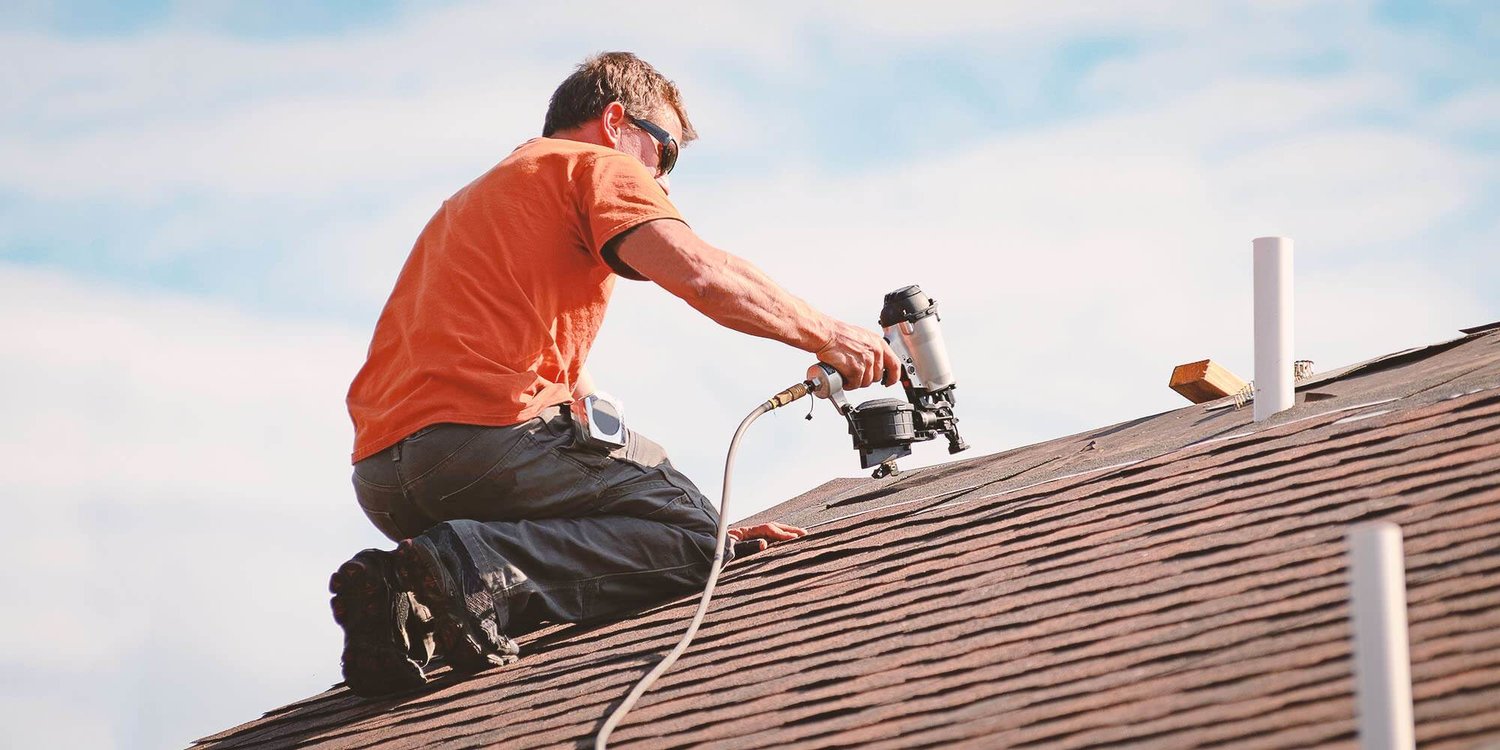
Common Concerns That Emerge Without Maintenance
Leaks: A Quiet Enemy
Ignoring minor leaks might cause mold development inside your home-- a costly problem when it comes time for roof repairs.
Corrosion: More Than Simply Rust
Depending on ecological aspects like salt air near seaside locations, deterioration could be sped up; watching on these elements ensures longevity.
DIY Tips for Maintaining Your Metal Roof
Routine Visual Inspections - Walk around your home taking note of any visible damage. Debris Removal - Clear branches or leaves that might trap moisture against your roof. Check Flashing - Ensure flashings stay intact around chimneys and vents.Choosing the Right Roofing Contractors for Repairs
What Credentials Need to They Have?
Look for certified experts who boast experience specifically with metal roofing setups and repairs.

Questions You Need to Ask Before Hiring
- Do you offer warranties? What does your examination procedure involve? Can you provide references from previous clients?
Importance of Coatings in Metal Roofing Maintenance
Protective Coatings: Do You Required Them?
Applying protective finishings not just enhances visual appeals however also includes an extra layer against rust and corrosion.
Frequency of Covering Application
Typically every 5-10 years depending on regional environment conditions-- always consult with experts regarding specific needs!
Conclusion
In summary, while metal roofings are indeed durable options compared to conventional choices such as asphalt shingles, they still need regular upkeep to maximize their life-span. By staying proactive about inspections and repairs through experienced roofing contractors, property owners can https://penzu.com/p/489240a282989ce1 prevent bigger issues that might develop down the road-- including expensive roofing replacements! Bear in mind that buying routine maintenance keeps your home safe while also maintaining its worth over time!
FAQs about Metal Roofing Maintenance
1. How frequently should I check my metal roof?
It's a good idea to carry out visual examinations at least twice a year-- ideally in spring and fall-- and following extreme weather condition events.
2. Can I carry out upkeep myself?
Yes! Property owners can look for noticeable damage but should employ experts for deeper inspections every few years.

3. What should I do if I discover rust spots?
Quickly treat rust spots with a specialized rust inhibitor followed by repainting if required; consider seeking advice from a specialist if you're not sure how far the damage extends!
4. Do all metal roofs require protective coatings?
Not all do-- but applying them usually enhances resilience against deterioration; speak with experts based upon regional weather conditions!
5. How do I pick trusted roof contractors?
Look for certified professionals experienced specifically with metal roof; inquire about recommendations & & warranty offerings before making decisions!
6. What are common indications I need roof repairs?
Keep an eye out for leakages inside your home, visible rust spots outside or missing out on fasteners/seams during inspections!
With appropriate care rooted in regular practices described here today-- homeowners will discover themselves enjoying their spectacular durable metallic rooftops well into the future! So don't forget-- the crucial takeaway stays clear: "Why Regular Maintenance is Secret Even with Long Lasting Metal Roof!"